
What is a Forex Strategy? A Guide to Understanding Strategies
Forex trading, the global marketplace for exchanging national currencies, is a dynamic and complex field. The success in this market is significantly influenced by the strategies traders employ. A well-structured Forex strategy is not just a tool but a roadmap guiding traders through the intricacies of currency trading. It’s essential for both beginners and experienced traders to understand the importance of a comprehensive Forex strategy.
Understanding Forex Strategies
A Forex strategy is a systematic approach used in currency trading, combining various methods and techniques to create a cohesive trading plan. This strategy serves as a guideline for traders, outlining when to enter or exit a trade based on predefined criteria. The use of a Forex strategy is pivotal in navigating the often volatile Forex market, providing a structured pathway for making informed and strategic trading decisions. We advise reading our forex guide for complete beginners if you don’t know where to begin.
Role in Successful Currency Trading
The implementation of a Forex strategy is a critical factor in the success of currency trading. It helps in mitigating risks and enhances the ability to forecast and react to market changes effectively. A well-devised strategy not only assists in capitalizing on profitable opportunities but also in minimizing losses during unfavorable market conditions.

Components of a Forex Strategy
Entry and Exit Rules
A cornerstone of any Forex strategy is its entry and exit rules. These rules dictate the specific conditions under which trades should be initiated or closed. For instance, entry rules may include criteria based on technical analysis indicators like moving averages or RSI, or on fundamental analysis factors like economic news releases. Similarly, exit rules might involve setting stop-loss orders or taking profits at predetermined levels. Establishing clear entry and exit criteria is crucial for maintaining discipline and managing trades effectively.
Risk Management Techniques
Risk management is an integral part of a Forex strategy, ensuring that traders do not expose themselves to unsustainable losses. Techniques like setting stop-loss orders, managing trade sizes, and diversifying currency pairs are commonly used. Understanding and implementing these techniques help traders to safeguard their investments, especially in a market as volatile as Forex.
Fundamental and Technical Analysis Methods
A Forex strategy often incorporates various analysis methods to assess market conditions and identify trading opportunities. Fundamental analysis involves evaluating economic indicators, central bank policies, and political events that can affect currency values. On the other hand, technical analysis relies on statistical trends and chart patterns to predict future price movements. A blend of these methods offers a comprehensive view of the market, aiding in making well-informed trading decisions.
The Importance of Psychological Factors
Psychology plays a pivotal role in Forex trading, often being a key differentiator between success and failure. Emotional discipline and mental resilience are crucial for making objective decisions, especially in a market characterized by high volatility and uncertainty. Traders must manage emotions like fear, greed, and overconfidence to maintain a clear focus on their strategic goals. Understanding the psychological aspect of trading can significantly improve decision-making processes and overall trading performance.
Common Psychological Challenges
Forex traders often face psychological challenges such as emotional reactions to losses, impulse trading, and overtrading. These challenges can lead to hasty decisions and deviation from the planned strategy. Addressing these issues requires self-awareness, setting realistic expectations, and adhering to a disciplined trading approach. Developing coping mechanisms and maintaining a balanced perspective helps in overcoming these psychological hurdles, thereby enabling traders to stay aligned with their strategies.
Building a Successful Trading Mindset
Cultivating a successful trading mindset involves developing traits like patience, discipline, and objectivity. A trader must learn to detach from emotions and focus on the analytical aspect of trading. This mindset encompasses the understanding that losses are part of the trading process and the ability to view them as learning opportunities. Continuous learning and adaptability are also key components of a resilient trading mindset.
Types of Forex Strategies
Overview of Various Strategies
There are several Forex strategies that traders can adopt, each with its unique approach. Some popular strategies include day trading, swing trading, scalping, and position trading. These strategies differ in their time frame, risk level, and analysis methods. Choosing the right strategy depends on a trader’s individual goals, risk tolerance, and the amount of time they can dedicate to Forex trading.
Pros and Cons of Different Strategies
Each Forex trading strategy has its advantages and disadvantages. For instance, day trading involves making multiple trades within a single day, offering quick profits but requiring constant market monitoring. Scalping, characterized by making rapid and small trades, demands high attention and quick decision-making. Swing trading, on the other hand, takes a medium-term approach, requiring less frequent monitoring but more in-depth analysis. Position trading is a long-term strategy, focusing on fundamental factors with potentially higher gains but increased exposure to market risks. Understanding these pros and cons is crucial for selecting a strategy that aligns with a trader’s personal trading style and risk appetite.
Creating a Personalized Strategy
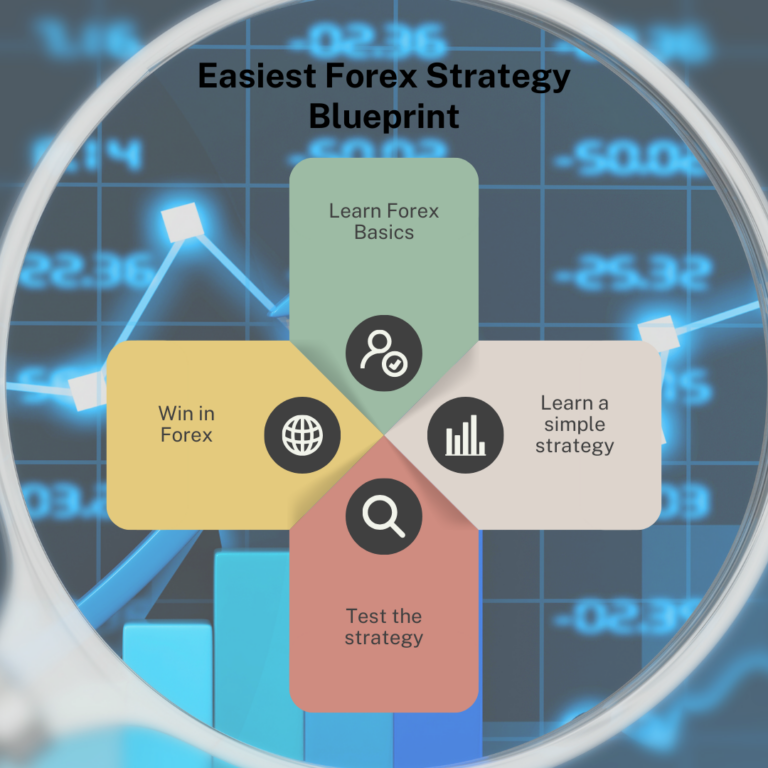
Developing a personalized Forex strategy is a critical step for any trader. This involves assessing one’s trading goals, risk tolerance, and time commitment. The strategy should align with the individual’s trading style, whether it’s aggressive short-term trading or a more conservative long-term approach. Incorporating elements from various established strategies can be effective, but it’s important to test and refine these strategies to fit personal preferences and market conditions. Utilizing demo accounts for practice and adjustments is a recommended approach before applying the strategy in live trading scenarios.
The Necessity of Consistency and Flexibility
Consistency in following a trading strategy is key to measuring its effectiveness. However, flexibility is equally important, as the Forex market is dynamic and ever-changing. Traders should be prepared to adapt their strategies in response to market shifts or new information. Regularly reviewing and updating the trading plan ensures that it remains relevant and effective in current market conditions.
Tools and Resources for Strategy Development
Essential Software and Platforms
Various software and platforms are available to assist in Forex strategy development. These include trading platforms, such as MetaTrader 4, with analytical tools, charting software, and automated trading systems. These tools provide valuable data and insights, facilitating informed decision-making and strategy optimization.
Key Educational Resources
Educational resources are crucial for both novice and experienced traders. Online courses, webinars, e-books, and forums provide a wealth of information on Forex trading strategies and market analysis. Engaging with these resources helps traders stay informed about market trends and enhances their trading skills.
FAQs Section
- How do I develop a Forex trading strategy?
Identify your trading goals and risk tolerance. Study different trading styles and incorporate technical and fundamental analysis. Test your strategy with a demo account and adjust based on performance.
- How often should I review and adjust my Forex strategy?
Review and adjust your Forex strategy at least every quarter or when major market changes occur. This ensures your strategy remains effective and aligned with current market conditions.
- Can I use multiple strategies in Forex trading?
Yes, using multiple Forex trading strategies is possible. Apply different strategies for varying market conditions, but ensure they are well-coordinated and do not conflict with each other.