
Understanding Forex Market Trends
Introduction to Forex Market Trends
In the dynamic world of forex trading, understanding market trends is akin to navigating a complex roadmap. These trends, whether long-term, medium-term, or short-term, shape the trajectory of currency pairs. Grasping these movements is essential for traders, as it equips them with the foresight needed to make strategic decisions. Like a seasoned captain reading the sea, a trader must interpret these trends to sail smoothly in the forex market.
Fundamental Factors Influencing Forex Trends
Forex trends are significantly influenced by the economic health of countries. When a nation’s economy strengthens, its currency often follows suit, much like a rising tide lifts all boats. Central banks play a critical role here; their monetary policies, especially interest rate adjustments, can cause substantial ripples in currency values. Higher interest rates typically attract investors looking for better returns, bolstering the currency’s value.
Moreover, global economic indicators such as GDP growth, inflation rates, and employment statistics provide valuable insights into a country’s economic performance. These indicators are closely watched by traders, as they can herald changes in currency strength. Additionally, geopolitical events and international relations can also sway currency values, adding another layer of complexity to forex market trends.
Here are some of the most important factors to keep in mind and are great to understand in order to use this information for predicting price changes in forex markets:
- Economic Indicators: The performance of a country’s economy is a primary driver of its currency value. Key indicators include Gross Domestic Product (GDP), employment rates, retail sales, and manufacturing output. A strong economy typically bolsters a currency as it suggests robust financial health and stability.
- Interest Rates: Set by central banks, interest rates directly impact currency strength. Higher interest rates offer better returns on investments denominated in that currency, attracting foreign capital and boosting its value. Conversely, lower interest rates can devalue the currency.
- Inflation Rates: Inflation impacts purchasing power and, consequently, currency strength. Low and stable inflation is generally seen as positive for a currency’s value, as it suggests a well-balanced economy. High inflation can devalue a currency as it erodes purchasing power.
- Political Stability and Economic Performance: Political events, such as elections, policy changes, and geopolitical tensions, can cause currency volatility. Stable, predictable governments are favorable for currency strength, while political uncertainty or instability can weaken a currency.
- Trade Balances: A country’s trade balance (the difference between its exports and imports) influences its currency. A trade surplus typically strengthens a currency due to high demand for exports, while a trade deficit can weaken it.
- Global Commodity Prices: For countries heavily reliant on commodity exports (like oil, gold, or iron ore), changes in commodity prices can significantly impact their currencies. For instance, rising oil prices can strengthen oil-exporting countries’ currencies.
- Foreign Investment: High levels of foreign direct investment (FDI) can lead to a stronger currency, as investors need to buy the country’s currency to invest there.
- Economic Policies and Government Debt: Government fiscal policies and public debt levels can also affect currency strength. High debt levels might deter investment and weaken the currency, while sound fiscal policies can strengthen it.
- Market Sentiment: Often, the forex market reacts not just to the actual economic data but to the perception and sentiment around a country’s economic future. Positive sentiment can boost a currency, while negative sentiment can weaken it.
- Global Economic Events: Global crises, like financial meltdowns or pandemics, can cause significant shifts in forex markets. In times of uncertainty, investors might flock to ‘safe-haven’ currencies like the USD or CHF.
For those interested in understanding the fundamentals of forex trading and keeping up with forex news, check out our Home Page, or one of these valuable resources available:
Sources for Forex News
- Forexlive.com: Offers real-time forex news updates, technical analysis, FX charts, and insights into foreign exchange and currency trade.
- Forex Factory (forexfactory.com): Known for its user-friendly interface and comprehensive coverage, Forex Factory provides real-time quotes, an economic calendar, and a forum for strategy discussions.
- DailyFX (dailyfx.com): This site offers news and analysis for forex, commodities, and indices, providing insights into market sentiment and monetary policy.
- Bloomberg (bloomberg.com): Bloomberg is a trusted source for financial news, offering real-time updates on currency markets, economic indicators, and central bank decisions.
- Reuters: Along with Bloomberg, Reuters is a go-to source for up-to-date forex news, providing comprehensive coverage of market trends and movements.
Technical Analysis of Forex Market Trends
Technical analysis serves as a complementary tool, allowing traders to chart a course through the forex market’s fluctuations. This analysis involves studying past market data to predict future price movements. Key tools include Moving Averages, which smooth out price data to identify trends, and the Relative Strength Index (RSI), which helps gauge market momentum and potential reversals.
Chart patterns also play a crucial role. For instance, ‘head and shoulders’ or ‘double tops and bottoms’ are classic patterns that many traders watch for signs of a trend reversal. Fibonacci retracement levels are another popular tool, offering potential support and resistance levels that a currency pair might encounter.
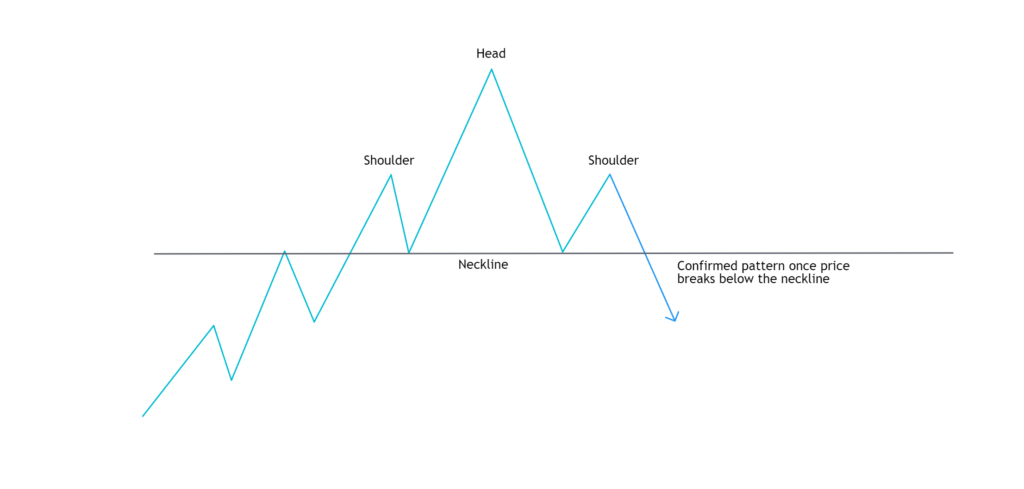
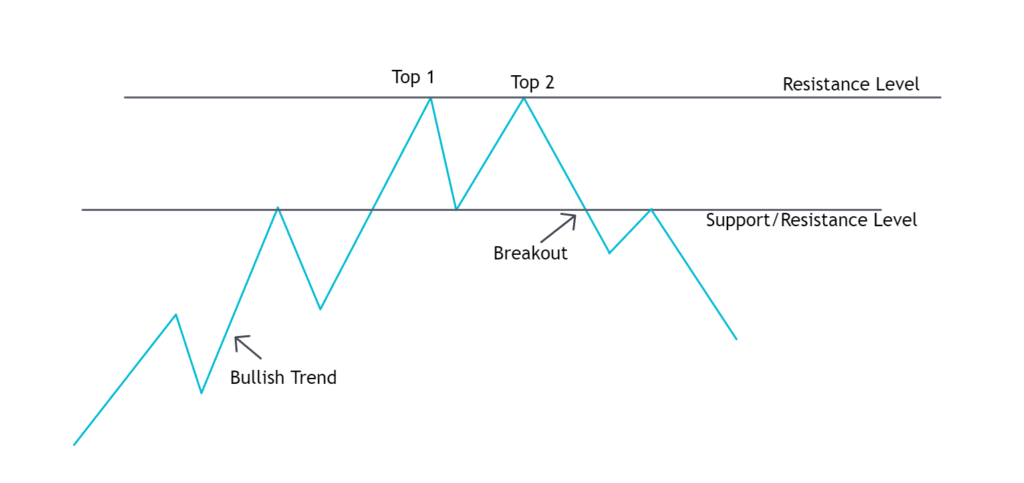
In essence, technical analysis in forex trading is like putting together a puzzle, where each piece – be it a chart pattern, an indicator, or historical data – helps form a clearer picture of potential market movements.
Current Trends and Trading Strategies in Forex
As 2024 unfolds, the forex market presents new dynamics and shifts. Key currencies like the USD, EUR, and JPY are experiencing unique trends influenced by global economic conditions and central bank policies. The USD, for instance, is predicted to gain momentum based on Federal Reserve policies, while the EUR’s strength is rebounding post-crisis. The JPY is poised for a bullish turnaround, reflecting changes in Japan’s economic stance.
Emerging Forex Trading Strategies
In the ever-evolving landscape of forex trading, new strategies emerge, adapting to the changing market conditions. These include algorithmic and automated trading, where precision and speed are paramount. News trading strategies are gaining traction, leveraging the impact of global events on currency values. Additionally, traders are focusing on support and resistance levels as critical indicators for making trading decisions.
Key Currency Pairs to Watch in 2024
Certain currency pairs are drawing significant attention in 2024. Pairs like AUD/USD and NZD/USD are becoming increasingly relevant due to commodity market dynamics. Similarly, EUR/USD and GBP/USD are expected to exhibit notable trends, influenced by economic predictions and policy changes in their respective regions.
The Role of Technology in Forex Trading
Technology continues to play a pivotal role in shaping forex trading strategies. The automation of FX swaps and the use of advanced data analytics are transforming how traders approach the market. These technological advancements are leading to more accurate pricing and efficient trading practices, setting the stage for a more interconnected and responsive forex trading environment.
Advanced Forex Trading Techniques and Market Analysis
Advanced Technical Analysis Techniques
Delving deeper into the forex market, advanced technical analysis techniques become invaluable tools. This section will explore sophisticated chart patterns, like harmonic patterns, and the nuanced use of oscillators and volatility indicators such as Bollinger Bands and Average True Range. It will also discuss the integration of market sentiment analysis, a vital component in understanding the collective mood of traders. These advanced techniques allow for a more nuanced and insightful analysis of the market, enabling traders to fine-tune their strategies.
Fundamental Analysis for Forex Trading
Fundamental analysis is the cornerstone of understanding the underlying forces in the forex market. This part will delve into how macroeconomic indicators, including GDP, employment data, and inflation rates, alongside central bank policies and global political events, influence currency values. The section will also highlight the importance of staying abreast with economic calendars and how geopolitical developments can have unexpected impacts on the forex market. This approach provides a holistic view of the factors shaping market trends, offering traders a solid foundation for making informed decisions.
Risk Management in Forex Trading
Navigating the forex market involves not just strategy but also prudent risk management. This segment will cover the essentials of setting stop-loss and take-profit orders, understanding leverage and its implications, and the importance of portfolio diversification. It will also address the psychological aspects of trading, such as dealing with loss aversion and maintaining discipline in volatile markets. By mastering these risk management techniques, traders can minimize potential losses while optimizing their trading performance.
The Impact of Global Economics on Forex Markets
The global economic landscape plays a pivotal role in shaping forex market trends. This part will examine how economic shifts in major economies influence currency strengths and weaknesses. It will cover topics like trade imbalances, interest rate differentials between countries, and the effects of global economic crises on forex markets. Understanding these global economic forces provides traders with a broader perspective, enabling them to anticipate market movements and adjust their strategies accordingly.
In this comprehensive section, traders will gain insights into advanced technical and fundamental analysis techniques, robust risk management strategies, and the significant impact of global economics on forex trading. This knowledge will empower them with the skills to navigate the complex forex market landscape effectively.
Future of Forex Trading and Market Predictions
Emerging Technologies in Forex Trading
The future of forex trading is intertwined with the advancement of technology. This segment will explore how cutting-edge technologies like artificial intelligence, machine learning, and blockchain are revolutionizing the way forex trading is conducted. From automated trading systems to enhanced security protocols, these technologies offer new levels of efficiency and transparency. The potential integration of decentralized finance (DeFi) platforms will also be discussed, highlighting how they could democratize forex trading by providing more accessible and open financial markets.
Predicting Market Movements
The art of predicting forex market movements lies at the intersection of data analysis and economic forecasting. This section will delve into the complex methodologies used by traders and analysts, including advanced statistical models, algorithmic trading strategies, and sentiment analysis tools. The importance of staying agile in the face of market volatility and the role of global economic indicators in shaping trading strategies will be emphasized. The discussion will also cover how evolving technologies are enabling more accurate and faster prediction models, helping traders to anticipate market movements more effectively.
Sustainable and Ethical Trading Practices
In an era where sustainability and ethics are becoming paramount, the forex market is no exception. This part will discuss the rising trend of sustainable and ethical trading practices within the forex sphere. Topics will include responsible use of leverage, adherence to ethical investment standards, and the implications of regulatory changes aimed at promoting transparency and fairness in trading. The section will also touch upon the environmental impact of trading activities and how traders and institutions are adopting more eco-friendly practices.
Future Trends and Opportunities in Forex Markets
Looking forward, this final part will provide a glimpse into the potential trends and opportunities that may shape the future of forex markets. It will explore how shifts in global economic power, changes in international trade policies, and the rise of emerging markets could create new trading landscapes. The impact of geopolitical developments, technological advancements, and the evolving regulatory environment on forex markets will also be discussed. This forward-looking perspective will aim to equip traders with insights into navigating future challenges and seizing upcoming opportunities in the ever-changing world of forex trading.