
Navigating Market Trends with Technical Analysis in Forex
Introduction and Overview of Technical Analysis in Forex Trading
Forex trading, characterized by its dynamic and complex nature, demands not only a clear understanding of global economies but also a sharp grasp of the tools and techniques used to predict market movements. Among these, technical analysis stands out as a cornerstone methodology, offering traders a way to dissect market trends and make informed decisions. This introduction serves as a concise guide to the essence of technical analysis in forex trading, delving into its principles, significance, and historical evolution.
The Essence of Technical Analysis
At its core, technical analysis is a method used to evaluate and predict future currency price movements based on historical market data. Unlike fundamental analysis, which focuses on economic indicators and news events, technical analysis zeroes in on price charts and statistical figures to gauge market sentiment and potential future trends. This approach is grounded in the belief that historical price movements and patterns tend to repeat themselves over time, providing insightful clues for future market directions.
Importance in Forex Trading
Technical analysis is particularly crucial in forex trading due to the market’s highly liquid and volatile nature. By analyzing past market data, traders can identify patterns and trends that help in predicting future price movements. This analysis is instrumental in making strategic trading decisions, from determining entry and exit points to setting stop-loss orders. Moreover, it allows traders to cut through the noise of short-term price fluctuations, focusing on longer-term trends and movements.
Comparative Perspective: Technical vs. Fundamental Analysis
While technical analysis revolves around market data and price charts, fundamental analysis takes a broader view, considering economic indicators, political events, and other macroeconomic factors. Both approaches offer valuable insights, but technical analysis is often favored by traders for its applicability to short-term trading and its ability to provide clear, actionable signals.
A Brief Historical Context
The roots of technical analysis can be traced back to the early days of stock market trading. Over time, these principles have been adapted and refined for the forex market, embracing technological advancements and evolving market dynamics. Today, technical analysis in forex is a sophisticated discipline, employing a range of tools and techniques to interpret market data and predict currency movements.
Core Principles and Popular Indicators in Technical Analysis
As we delve deeper into the realm of technical analysis in forex trading, it becomes essential to understand the core principles and tools that form its backbone. This part focuses on the fundamentals of price chart analysis, trend analysis, and the most widely used technical indicators, offering traders a roadmap to interpret and navigate the ever-changing forex market.
Understanding Price Charts
Price charts are the primary tool in technical analysis, offering a visual representation of currency price movements over time. The three main types of charts used by forex traders are:
- Line Charts: The simplest form, plotting closing prices over a set period to provide a clear view of overall price trends.
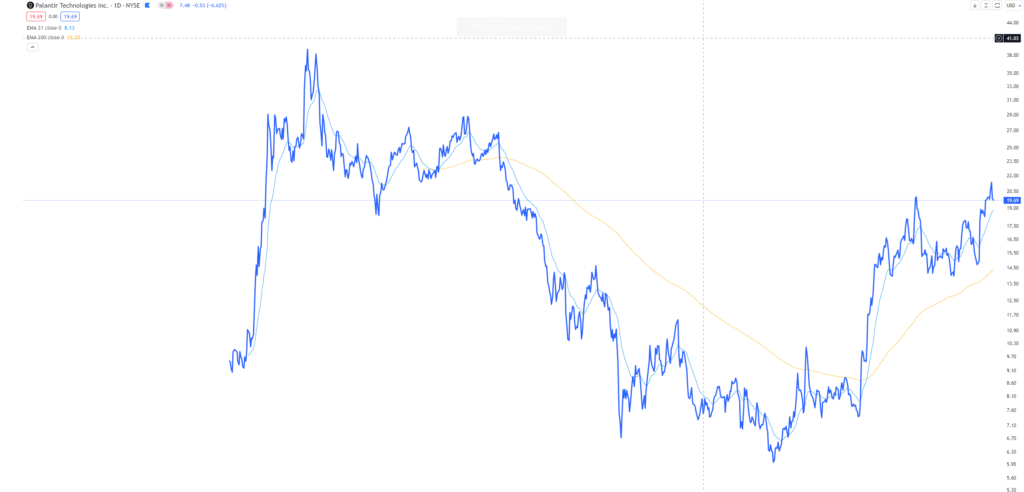
- Bar Charts: More detailed, showing the opening, high, low, and closing prices (OHLC) for each period.
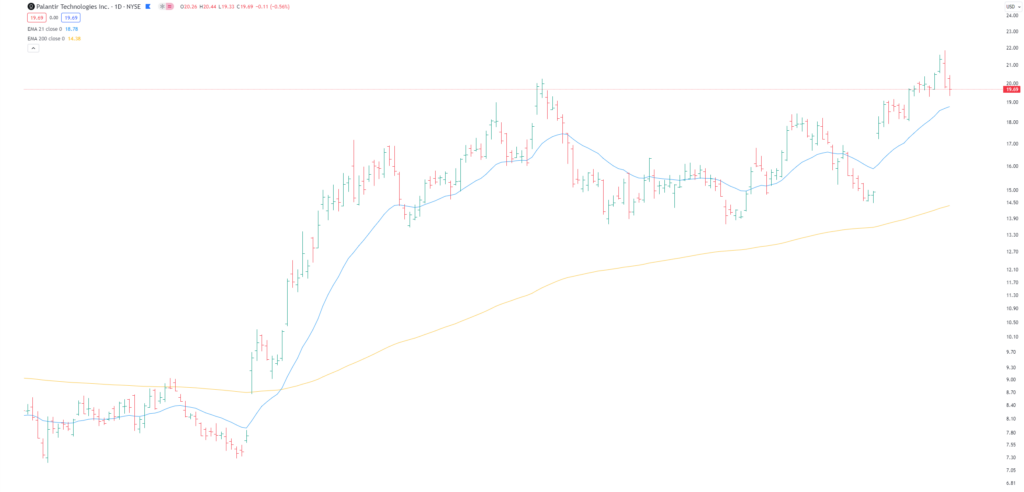
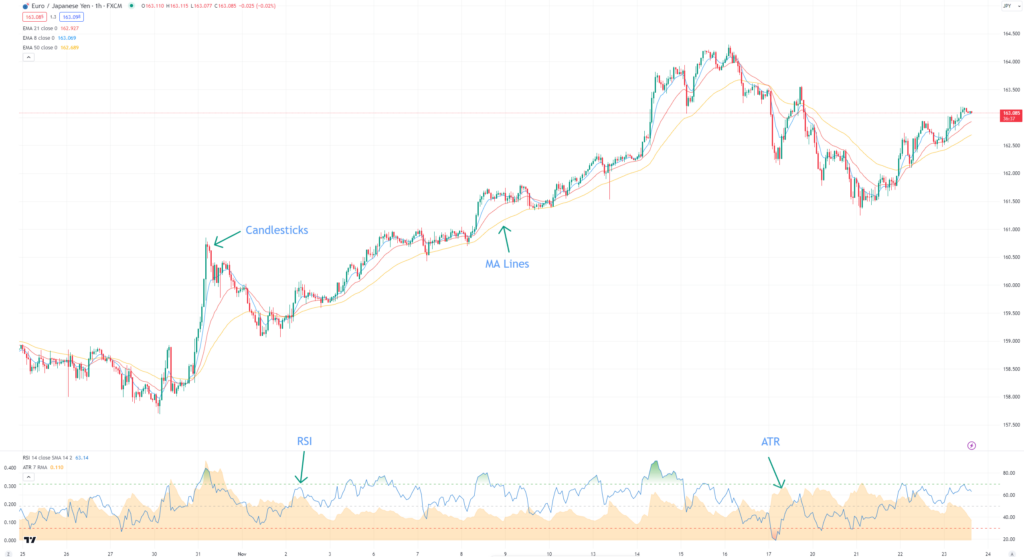
- Candlestick Charts: Originating from Japan, these charts offer a comprehensive view of market sentiment by displaying OHLC prices and the emotional elements of trading.
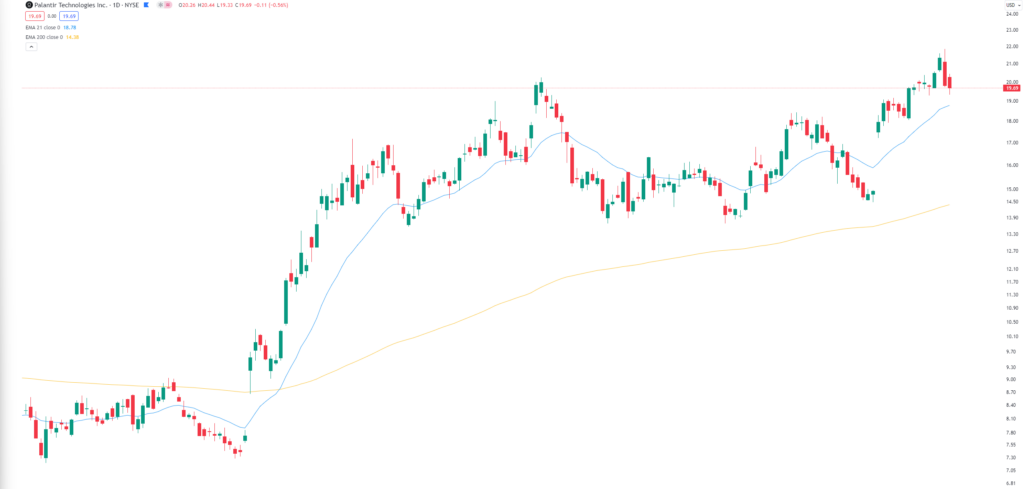
Learning to read and interpret these charts is fundamental in identifying market trends, patterns, and potential reversal points.
Trend Analysis
A core principle of technical analysis is that ‘the trend is your friend.’ Understanding and identifying trends are vital to successful trading. Trends can be categorized into:
- Uptrends: Characterized by higher highs and lows, indicating bullish market sentiment.
- Downtrends: Defined by lower highs and lows, signaling bearish market conditions.
- Sideways/Horizontal Trends: When the market is relatively stable without a clear direction.
Analyzing these trends involves identifying support and resistance levels — points where the market is likely to change direction.
Popular Technical Indicators
Technical indicators are mathematical calculations based on historical price, volume, or open interest data that aim to forecast financial market directions. Some of the key indicators include:
- Moving Averages (MA): Averages of past prices to smooth out price action and identify trends. Simple Moving Averages (SMA) and Exponential Moving Averages (EMA) are the most common.
- Relative Strength Index (RSI): A momentum oscillator that measures the speed and change of price movements, indicating overbought or oversold conditions.
- Stochastic Oscillator: Compares the closing price of a currency to its price range over a certain period, highlighting potential reversal points.
Advanced Strategies and Practical Application in Forex Trading
Embarking further into the world of forex trading, it’s time to explore some advanced technical analysis strategies. These aren’t just flashy concepts to impress your trading buddies but practical tools that can significantly enhance your trading effectiveness. So, let’s add a bit more finesse to your forex playbook.
Fibonacci Retracement: The Mathematical Magic in Markets
Fibonacci retracement, more than just a mathematician’s legacy, is a critical tool in the forex trader’s arsenal. This technique is based on the premise that markets often retrace a predictable portion of a move before continuing in the original direction. Imagine this as the market taking a brief pause, recalibrating before resuming its trend.
Applying Fibonacci levels can be particularly useful for identifying potential support and resistance areas, giving you insights into where the market might take a momentary breather. We have a great piece on how you can use Fibonacci tools for successful trading in forex.
Elliot Wave Theory: Surfing the Market’s Waves
Moving on to the Elliot Wave Theory – this isn’t about catching literal ocean waves, but it’s about navigating the wave-like patterns in market trends. The theory proposes that market prices unfold in specific, predictable patterns, somewhat like a rhythmic dance of the markets.
While it can be complex with its sequences and phases, mastering the Elliot Wave Theory offers a deeper understanding of market behavior, potentially allowing you to anticipate future price movements.
Candlestick Patterns: Decoding Market Sentiments
Candlestick patterns are the secret language of forex charts. They reveal crucial information about market sentiment and possible future price actions. Recognizing patterns like the ‘Doji’, ‘Hammer’, or ‘Engulfing’ is like unlocking a new level of market insight. It’s not just about seeing the patterns, but understanding the story they tell about trader psychology and market dynamics.
Strategies for the Practical Trader
Let’s translate these theories into actionable strategies:
- Trend Following: This strategy is all about alignment with the market’s direction. You ride the trend, closely monitoring for any signs that might indicate a reversal.
- Range Trading: Here, you identify stable high and low points and trade within these boundaries. It’s about knowing your limits and making the most within them.
- Breakout Trading: Breakout trading involves identifying when the price breaks through a significant level (support or resistance) and taking a position in the direction of the breakout, ideally just before the market makes a significant move.
Integrating Portfolio and Risk Management in Forex Trading
Moving into a crucial aspect of forex trading, we find ourselves at the intersection of portfolio management and risk control. Here, it’s not just about making profitable trades, but also about ensuring the longevity and sustainability of your trading career. Let’s dive into how to balance the scales of risk and reward effectively.
Portfolio Management: The Art of Diversification
In the world of forex, putting all your eggs in one currency pair’s basket isn’t just risky; it’s a recipe for potential disaster. Portfolio diversification is your safeguard. It involves spreading your investments across various currency pairs and trading instruments to mitigate risk. Think of it as a culinary spread; too much of one flavor can ruin the meal. A well-diversified portfolio is about mixing the right ingredients to create a balanced trading diet.
Leveraging Leverage Wisely
Leverage in forex can be a double-edged sword. It allows traders to control large positions with a relatively small amount of capital, which can magnify profits but also losses. The key is to use leverage wisely. This means understanding your risk tolerance and not getting carried away by the allure of potential big wins. It’s like driving a fast car; just because you can go 200 mph doesn’t mean you should.
Risk Management Techniques: The Safety Nets
Effective risk management is the backbone of successful forex trading. It involves a range of techniques and tools, such as:
- Stop-Loss Orders: This is your emergency brake. It automatically closes a position at a predetermined level to limit potential losses.
- Position Sizing: This is about knowing how much to trade. It involves calculating the appropriate trade size based on your risk tolerance and the specifics of the trade.
- Risk/Reward Ratio: This is weighing the potential risk against the potential reward of a trade. A common approach is never to enter a trade where the potential loss outweighs the potential gain.
Real-Life Risk Management Examples
It’s always beneficial to learn from the masters. Looking at how seasoned traders manage their risks can provide invaluable insights. They often employ a combination of these techniques, adapting their strategies to market conditions and their trading style.
Understanding risk management is one thing, but seeing it in action is where the real learning begins. Here are some real-life examples to illustrate how successful forex traders incorporate risk management into their strategies:
- The Conservative Trader: Consider a trader who, regardless of their confidence in a trade, never risks more than 1% of their portfolio on a single trade. They use tight stop-loss orders to ensure that a single loss won’t significantly impact their overall portfolio. This conservative approach emphasizes preservation of capital as much as it does profit making.
- The Calculated Risk Taker: Another example is a trader who employs a variable risk approach. They might risk a higher percentage of their portfolio on trades they deem to have a higher probability of success, based on their analysis. However, they still set strict stop-loss limits to control potential losses. This approach reflects a balance between aggressive trading and risk management.
- The Diversified Strategist: Then there’s the trader who diversifies not just across currency pairs, but also trading styles and time frames. They might combine long-term position trading with shorter-term swing trades. By not putting all their eggs in one basket, they reduce the risk that a single market event can wipe out their portfolio.
- Leverage Management Expert: A seasoned trader might use leverage strategically, increasing it for trades with a higher probability of success based on their analysis, but reducing it significantly for riskier trades. This nuanced use of leverage demonstrates an advanced understanding of both the opportunities and dangers it presents.
- The Tech-Savvy Risk Manager: Finally, consider a trader who utilizes advanced trading tools and algorithms to manage risk. They might use automated trading systems to execute stop-loss orders or to adjust their portfolio’s exposure in response to real-time market changes. This approach leverages technology to enhance risk management capabilities.
These examples illustrate that risk management in forex trading is not a one-size-fits-all approach. Successful traders understand their own risk tolerance, trading style, and the unique characteristics of the forex market to tailor their risk management strategies accordingly.
Synergy of Technical and Fundamental Analysis in Forex Trading
In the final leg of our journey through the intricacies of forex trading, we explore how blending technical and fundamental analysis can lead to a more holistic and effective trading strategy. It’s like using both a map and a compass for navigation; each tool provides unique insights that complement the other.
The Best of Both Worlds: Integrating Analysis Approaches
Technical analysis, with its charts and patterns, excels in identifying potential entry and exit points and in timing trades. Fundamental analysis, on the other hand, delves into economic indicators, news events, and political factors to understand the ‘why’ behind currency movements. Using them in tandem allows traders to gain a comprehensive view of the market.
- Macro Meets Micro: A trader might use fundamental analysis to identify a promising currency pair based on economic trends, and then use technical analysis to pinpoint the optimal time to enter the trade. For instance, if fundamental analysis suggests that the USD is likely to strengthen due to economic policies, technical analysis could be used to find the best entry point against a weaker currency.
- Confirmation and Caution: Technical indicators can also serve as a confirmation for signals from fundamental analysis. If both analyses are in agreement, it might be a stronger trade opportunity. Conversely, if technical analysis contradicts the fundamental view, it could be a signal to proceed with caution or reevaluate the trade.
Practical Examples and Scenarios
To illustrate, consider a scenario where a major political event in the Eurozone is expected to impact the Euro’s value. Fundamental analysis would assess the potential impact of this event, while technical analysis could be employed to observe how similar past events affected the Euro and to identify technical patterns or support and resistance levels that might come into play.
FAQs and Final Thoughts
As we wrap up, let’s address some common questions:
- Can technical and fundamental analysis coexist? Absolutely. While each has its strengths, using them together provides a more rounded approach to forex trading.
- Is one method better than the other? Not necessarily. It depends on your trading style, goals, and the market conditions.